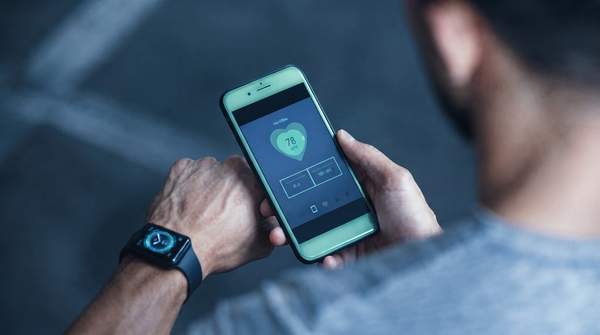
The honest answer to "which AI wearable should I buy for work?" is that no single device wins—it depends on what your productivity problem actually is. A consultant who needs meeting summaries, a field worker who needs hands-free answers, and a glasses-wearer who wants glanceable notifications are shopping for three different products. The market has matured into distinct functional categories, and the devices within them differ most sharply on one axis that matters enormously for professionals: whether your data is processed on the device or in the cloud.
This guide categorizes the leading AI wearables by their primary productivity function, then evaluates them against a consistent set of criteria—form factor, data processing model, and privacy stance—so you can narrow a confusing market to the one device type that fits your workflow.
Introduction: Navigating the AI Wearable Landscape for Prosumers
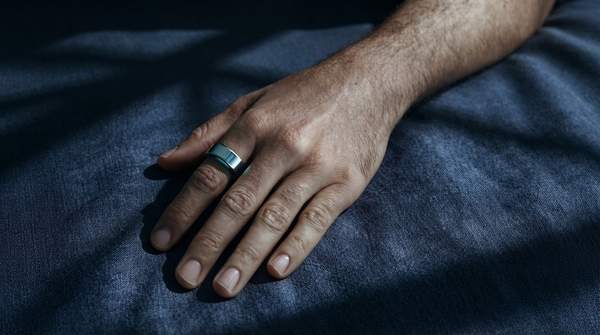
The current wave of AI wearables is not the bulky, awkward hardware of previous generations. As reporting on the category's newest entrants notes, Muse Charm is designed to look like jewelry, Bee clips discreetly to clothing or fits on the wrist, and Friend aims for a minimal aesthetic that won't draw attention. The design shift matters for professionals: a device you're willing to wear all day is a device that can actually capture your work.
But wearability is only the entry fee. The harder question is what the device does with what it collects. Industry analysis of the wearable AI market notes that these devices gather large volumes of sensitive personal data—health metrics, location tracking, and behavioral patterns—and that regulatory frameworks now require manufacturers to implement encryption, secure cloud integration, and strict data governance. For a prosumer routing meetings, conversations, and client interactions through a wearable, those obligations are not abstractions. They are the difference between a productivity tool and a liability.