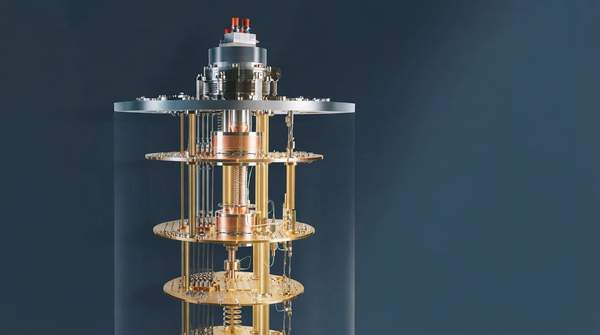
Quantum annealing and gate-based quantum computing are not two brands of the same machine. They are two fundamentally different ways of using quantum physics to compute. A quantum annealer searches for the lowest-energy configuration of a system, which makes it a natural fit for optimization and sampling problems. A gate-based machine transforms a quantum state step-by-step through sequences of logic gates, which makes it the primary route to universal quantum computation—the ability, in principle, to run any quantum algorithm, including Shor's algorithm for breaking widely used cryptography. Understanding that single distinction tells you which architecture maps to which class of enterprise problem.
Quantum Computing's Dual Paths: Annealing vs. Gate-Based
Both approaches exploit quantum effects, but they diverge at the level of how computation actually happens. D-Wave, a company that builds annealing hardware, describes the difference in terms of how interactions occur: in quantum annealing, many variables evolve together, while gate-model systems apply sequences of localized operations. That structural choice cascades into everything else—what each machine is good at, what it cannot do, and which business problems it should be pointed at.
The distinction matters practically because the two paths serve different strategic purposes. Annealing is a specialized instrument; gate-based computing is a general-purpose ambition still burdened by significant engineering challenges. Neither is simply "better"—they are optimized for different definitions of what computing means.