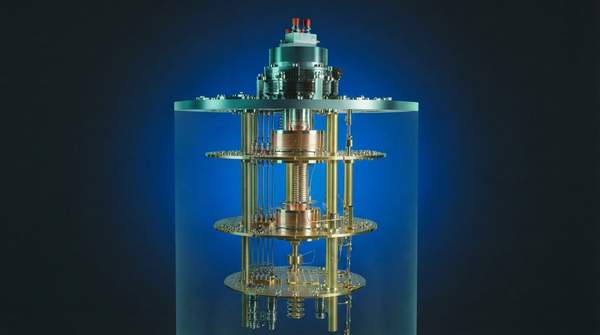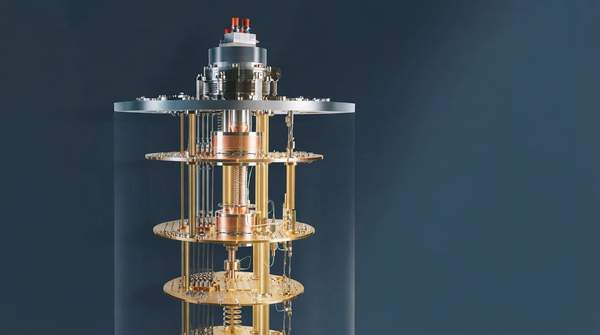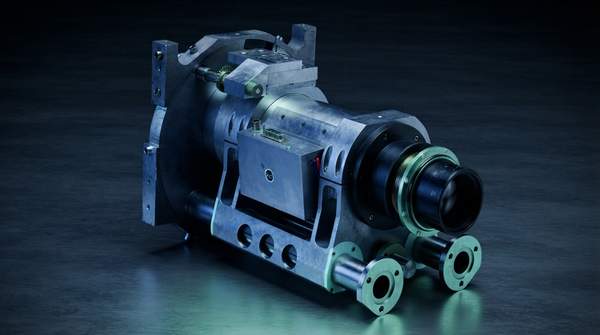
A new generation of sensors, built on the fundamental principles of quantum physics, is moving from research laboratories into the real world, enabling measurements of unprecedented precision and sensitivity. These quantum sensors harness the predictable, if counterintuitive, behaviors of atoms and other elementary particles to detect quantities like time, temperature, and magnetic fields in ways that are impossible for classical devices. This technological shift is not merely an incremental improvement; it represents a fundamental change in how we observe the world, with disruptive applications emerging in fields from biomedicine to fundamental science.
Unlike conventional sensors that measure continuous physical properties, quantum sensors leverage the fact that at the smallest scales, properties like energy and spin are "quantized"—meaning they can only exist in specific, discrete states. According to the U.S. National Institute of Standards and Technology (NIST), a quantum sensor uses these unique properties to perform its measurement. This reliance on the fundamental, unchanging characteristics of atoms gives these devices an inherent advantage in stability and accuracy. As a 2023 review in the journal Nature notes, this technology is already finding its way into real-world applications, a trend underscored by an increasing number of startups in the field.